Subtotal ₹0.00


 24 Hour Emergency Aid
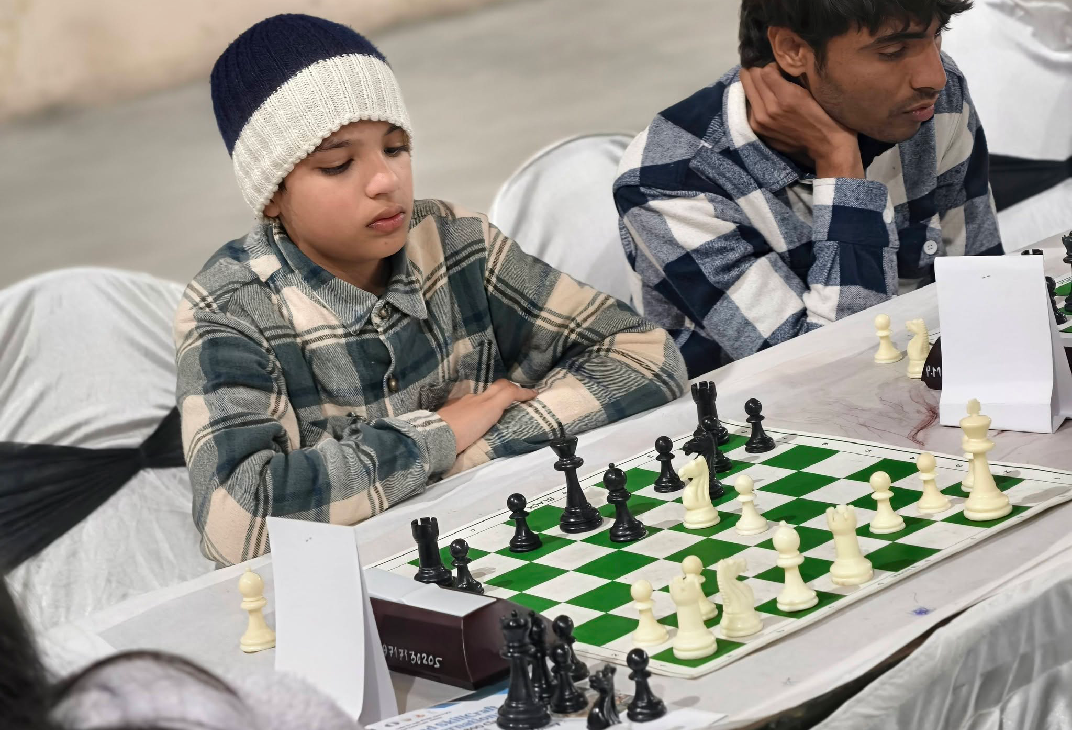
How Chess Helps Build Strategic Thinking Skills in Children
Chess is often called the game of kings, but it is much more than just a board game. It is a powerful educational tool that helps children develop strategic thinking, problem-solving abilities, concentration, and decision-making skills. As children learn and practice chess, they gain valuable life skills that extend far beyond the chessboard.
What Is Strategic Thinking?
Strategic thinking is the ability to analyze situations, plan ahead, anticipate outcomes, and make informed decisions. It involves evaluating different possibilities and choosing the best course of action to achieve a desired goal.
Chess naturally teaches these skills because every move requires careful thought and consideration of future consequences.
Every chess game presents unique challenges and situations. Children learn to identify problems, evaluate options, and find effective solutions. This strengthens their analytical thinking and ability to tackle complex tasks with confidence.
KNLPI
How Chess Develops Strategic Thinking Encourages Planning Ahead
One of the most important lessons chess teaches is the importance of planning. Players must think several moves ahead and consider how their actions will affect the game. This habit of forward-thinking helps children become better planners in academics and daily life.
Improves Problem-Solving Skills
Every chess game presents unique challenges and situations. Children learn to identify problems, evaluate options, and find effective solutions. This strengthens their analytical thinking and ability to tackle complex tasks with confidence.
Enhances Decision-Making Ability
In chess, every move matters. Students learn to make decisions carefully while understanding that each choice has consequences. This improves their ability to make thoughtful decisions in school, competitions, and everyday situations.
Develops Patience and Discipline
Success in chess requires focus, patience, and self-control. Children learn to avoid impulsive decisions and think calmly under pressure. These qualities help them perform better in both academics and personal development.
Strengthens Concentration and Focus
Chess demands complete attention throughout the game. Regular practice improves concentration levels, helping children stay focused during studies, examinations, and other learning activities.
Builds Confidence Through Achievement
As children learn new strategies and win games, they gain confidence in their abilities. This confidence encourages them to take on new challenges and approach difficult situations with a positive mindset.
Academic Benefits of Chess
Research and experience have shown that chess can positively influence academic performance. Students who play chess regularly often demonstrate:
Improved logical reasoning
- Better mathematical thinking
- Enhanced memory retention
- Stronger analytical skills
- Increased concentration levels
Greater confidence in problem-solving
These benefits support success across a wide range of subjects and learning environments.
Life Skills Learned Through Chess
Chess is not only about winning games. It teaches valuable life lessons such as:
Goal setting
- Critical thinking
- Responsibility for decisions
- Resilience after setbacks
- Time management
- Strategic planning
These skills prepare children for future academic, professional, and personal success.
Why Parents Should Encourage Chess Learning
Chess provides a healthy balance between education and enjoyment. It keeps children intellectually engaged while helping them develop essential cognitive and emotional skills. Through regular practice, students learn how to think independently, solve problems creatively, and approach challenges strategically.
Conclusion
Chess is one of the most effective activities for developing strategic thinking skills in children. It improves concentration, decision-making, problem-solving abilities, patience, and confidence while fostering overall intellectual growth.
At Krishana Neuro Linguistic Programming Institute (KNLPI), our chess programs are designed to help students strengthen their thinking abilities, develop winning strategies, and build the confidence needed to succeed both inside and outside the classroom.